Keynotes and general sessions
Plan camera positions, presentation integration and direct audio feeds for the sessions that anchor the program.
CONFERENCES · KEYNOTES · PANELS
Conference video production is planned around the agenda rather than a single stage. Keynotes, breakout rooms, panel discussions, audience questions, interviews and transitions can require different camera and audio decisions.
The brief should identify priority sessions, concurrent rooms, speaker formats, AV contacts and the required mix of full recordings, recaps and shorter distribution clips.
Plan camera positions, presentation integration and direct audio feeds for the sessions that anchor the program.
Capture the moderator, every panelist and audience questions with an audio plan suited to a multi-speaker format.
Match crew and recording resources to concurrent sessions so priority content is not missed.
Yes, when the concurrent schedule and room priorities are supplied before the event so coverage can be staffed and routed correctly.
A panel requires a plan for several speakers, moderator flow and audience Q&A, while a keynote usually centers on one presentation.
Yes. Full-session recording and a shorter recap are separate deliverables that can be planned from the same conference coverage.
PUBLISHED PORTFOLIO
01 / PLANNING DETAIL
A conference operates as a sequence of connected programs rather than one continuous scene. Keynotes, breakout rooms, panel discussions, sponsor activity, interviews and networking can overlap, so coverage priorities must be mapped to the agenda.
Without a room-by-room plan, a production can miss a priority session or capture pictures without usable speech. Conference videography therefore starts with the program grid, room assignments and the final content inventory.
The plan should distinguish sessions that require a publishable full recording from moments that only need supporting footage for the conference recap.

02 / PLANNING DETAIL
The run of show identifies session starts, room changes, speaker arrivals and the periods when crews can move. Concurrent rooms should be ranked by business value and by whether the session can be recreated.
Room coverage may use different configurations. A keynote may need continuous multi-camera recording, while a smaller breakout may be handled with a focused setup if the deliverable is a complete session file.
Speaker releases, presentation files and moderator notes can be collected with the schedule so editors receive the correct names, titles and session order.
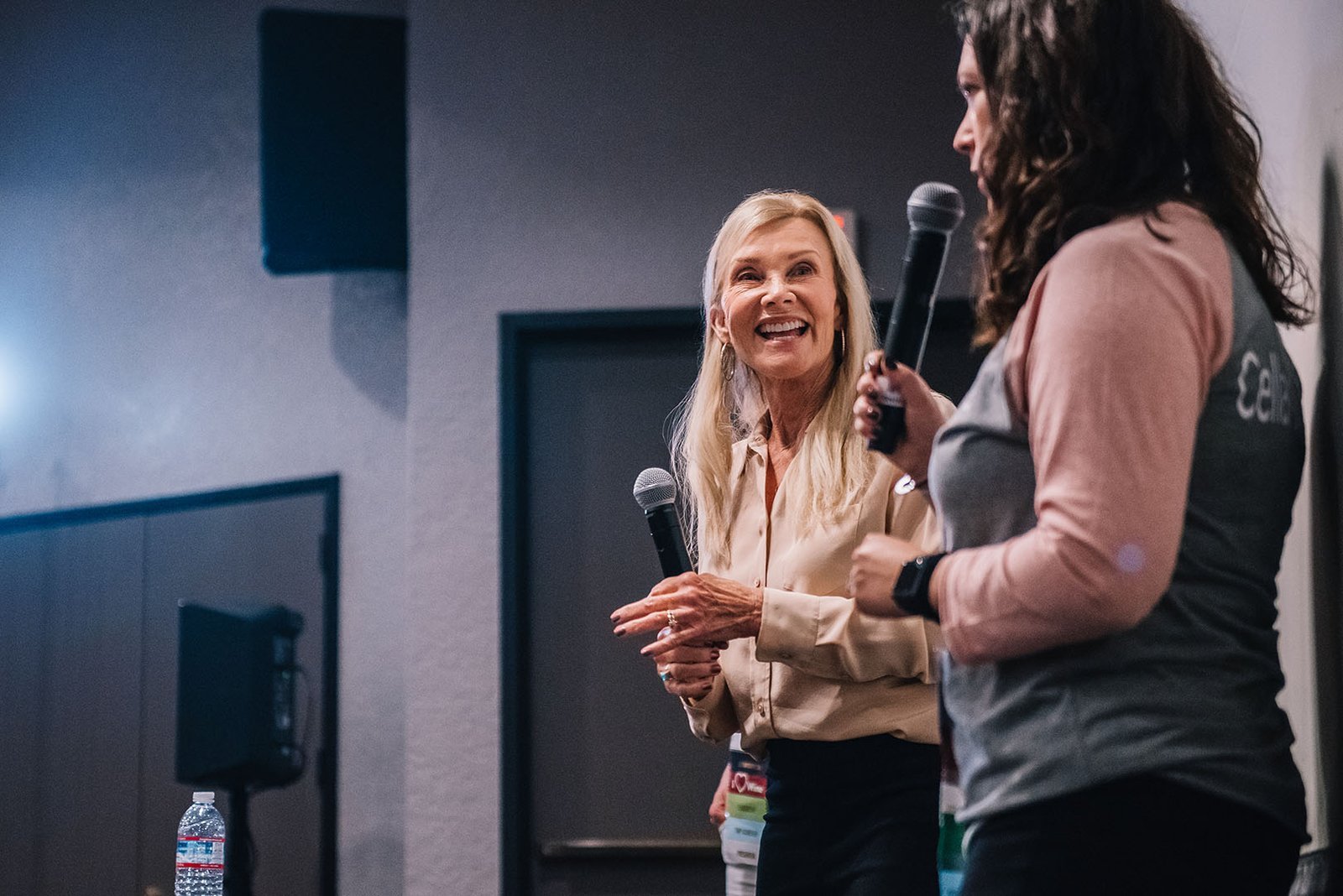
03 / PLANNING DETAIL
Keynote coverage can combine a protected wide view, a speaker angle, presentation material and audience context. The recording plan should account for movement on stage and the way slides will appear in the final edit.
Panel discussions require distinct coverage of the moderator and every panelist. Microphone routing, speaker order and audience Q&A determine whether the finished conversation remains clear and easy to follow.
Breakout coverage should identify whether questions, demonstrations or screen content are essential, because each requirement changes the camera and audio setup.
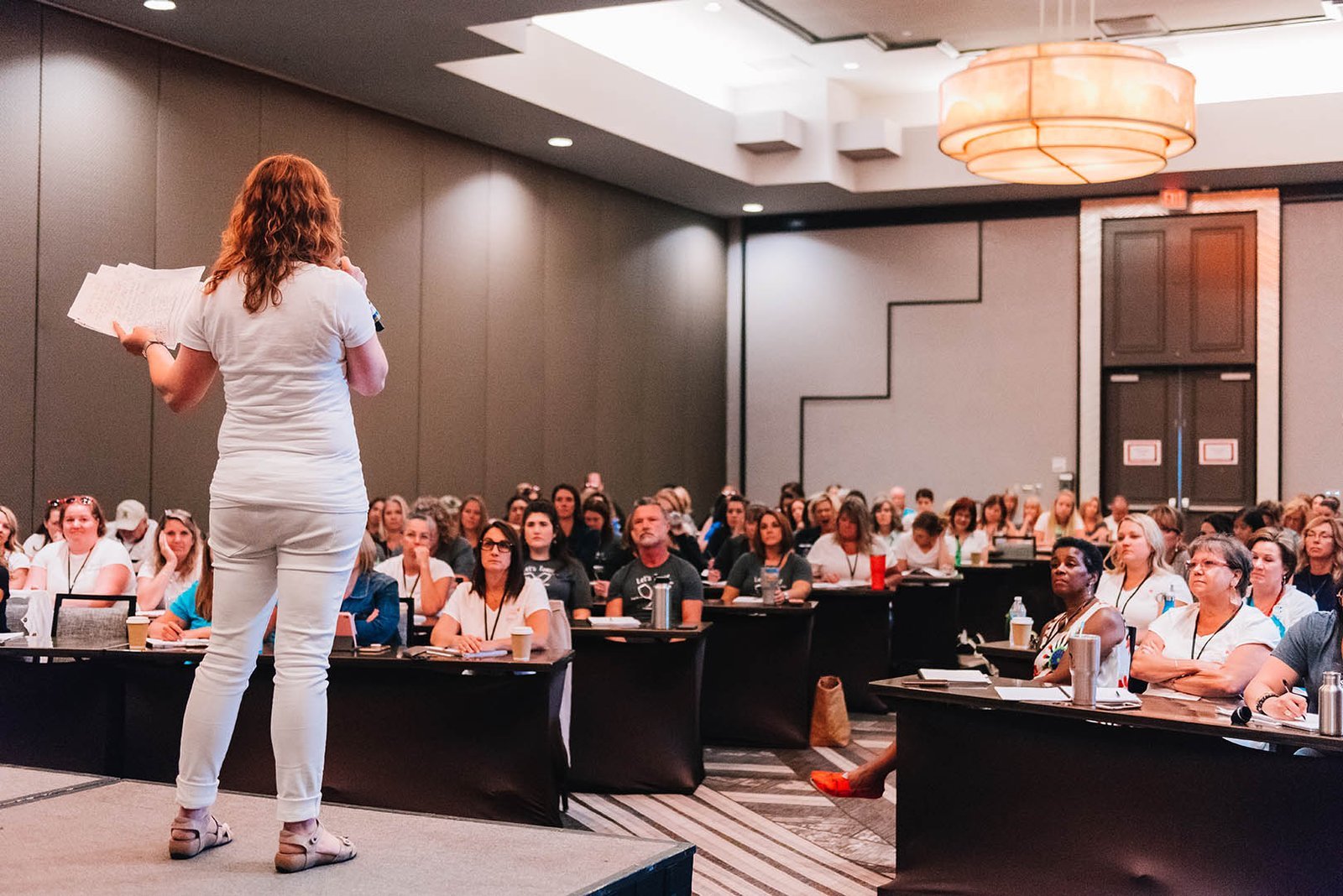
04 / PLANNING DETAIL
For speech-led content, audio quality determines whether the recording has long-term value. The event team should confirm microphone types, available mixer outputs, presentation playback and who owns the house AV system.
A direct feed can be useful, but it should not be the only source considered. Reference audio and a backup strategy reduce the risk created by a single cable, output or routing mistake.
Room tests should include every microphone path that matters, including moderator, remote speaker, playback and audience-question sources when those are part of the program.
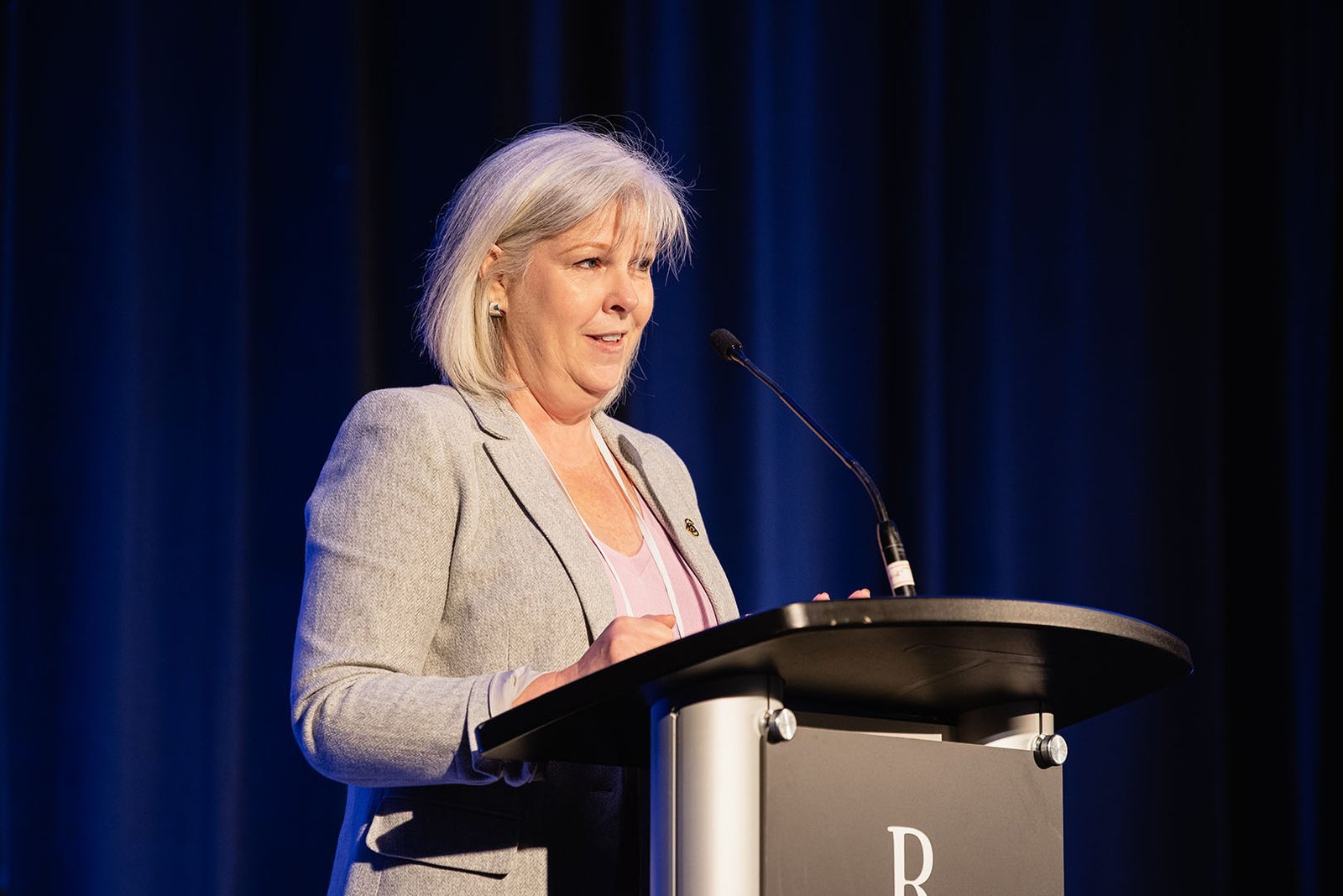
05 / PLANNING DETAIL
The same event can create several content layers: full sessions for members, a conference recap, speaker excerpts, sponsor material and interview clips. Each layer needs its own edit and approval rules.
When rapid delivery matters, the priority files and reviewers should be chosen before the event. Fast delivery is a scoped production requirement, not an automatic promise.
File structure, session naming, captions and slide treatment should be agreed before editing so a multi-day library remains searchable and consistent.
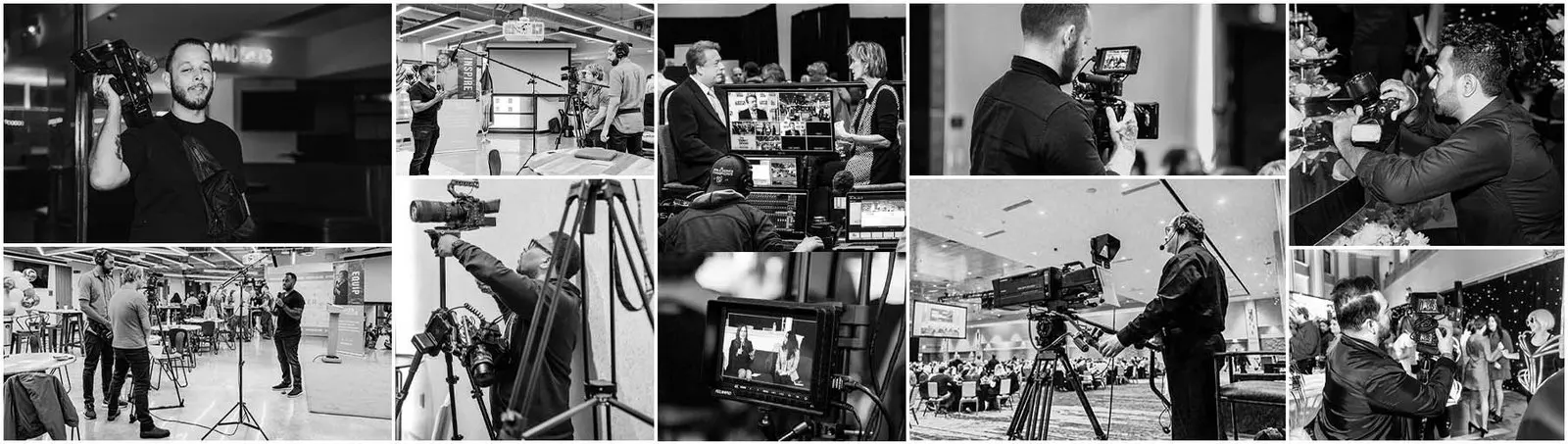
06 / PLANNING DETAIL
Pre-production confirms the agenda, room plan, speaker formats, AV contacts and delivery matrix. Event-day work follows the approved coverage map while recording changes to the schedule.
Post-production organizes sessions consistently, applies the agreed graphics and captions, and routes drafts through the named reviewer before final delivery.
A conference closeout should reconcile recorded sessions against the agenda and document any program changes before the final delivery set is prepared.

KEEP EXPLORING
Event planning guide
How to scope full-session recordings, recap films and social clips around the real event schedule and review process.
Open materialEvent planning guide
A practical division of responsibilities between venue AV, streaming and recording crews for hybrid Washington DC events.
Open materialEvent planning guide
A production-first run-of-show checklist for keynotes, panels, breakouts and same-day conference coverage in Washington, DC.
Open material