Executive and company events
Coverage can be organized around speeches, announcements, awards and the moments required for internal or external communication.
CORPORATE EVENTS · BUSINESS COMMUNICATION
Corporate event coverage supports a defined business message. The production plan can account for executive presentations, company meetings, product launches, internal programs, interviews and branded event recaps.
Before filming, it helps to define the audience, approval process, brand requirements, presentation assets and the channels where the finished video will be used.
Coverage can be organized around speeches, announcements, awards and the moments required for internal or external communication.
Plan close detail, presenter coverage and supporting footage around the product or announcement.
Capture clear statements and event context for post-event edits, stakeholder updates and branded communication.
Yes. Share the required framing, graphics, terminology, approvals and delivery specifications during pre-production.
Yes. A quieter location, interview schedule and audio plan should be reserved so the interviews remain usable.
Conference-specific programs are assigned to the conference page so the site does not blur two different service categories.
PUBLISHED PORTFOLIO
01 / PLANNING DETAIL
Corporate event video is a business communication asset. The intended audience, brand rules, review chain and confidentiality requirements can matter as much as the live event itself.
The page covers executive events, company meetings, launches, awards, internal programs and business interviews. Conference-specific programming remains on the separate conference page.
The scope should identify whether the final material is intended for employees, partners, investors, clients or public marketing because each audience changes the edit.

02 / PLANNING DETAIL
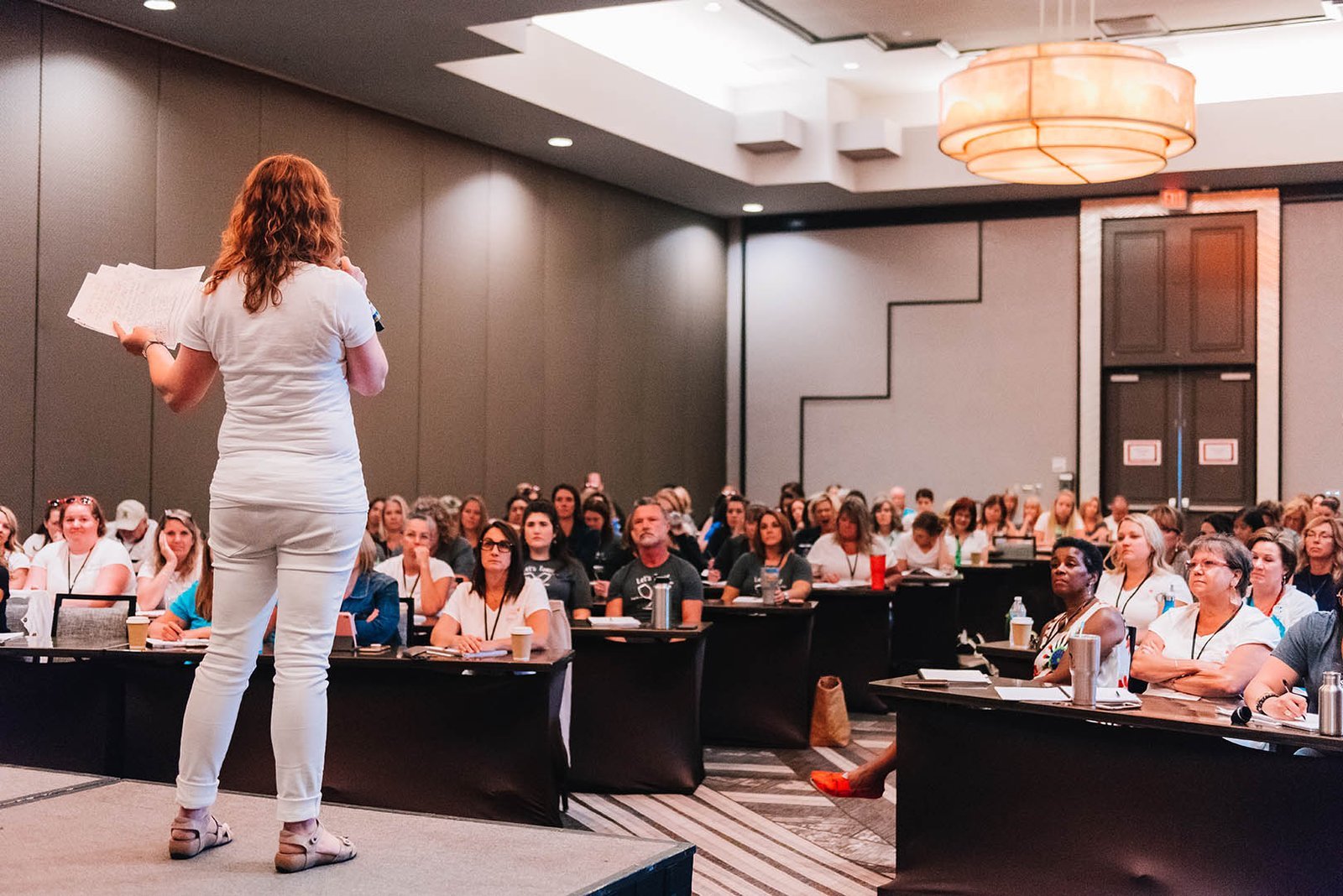
A corporate brief should identify the core message and the people authorized to approve it. Camera positions, interview questions, graphics and supporting footage can then be planned around that communication goal.
Brand guidance may include terminology, logos, lower thirds, colors, presentation slides and publication restrictions. Supplying those rules early reduces avoidable revision cycles.
If legal or communications approval is required, the reviewer and turnaround expectations should be placed in the workflow before drafts are scheduled.
03 / PLANNING DETAIL
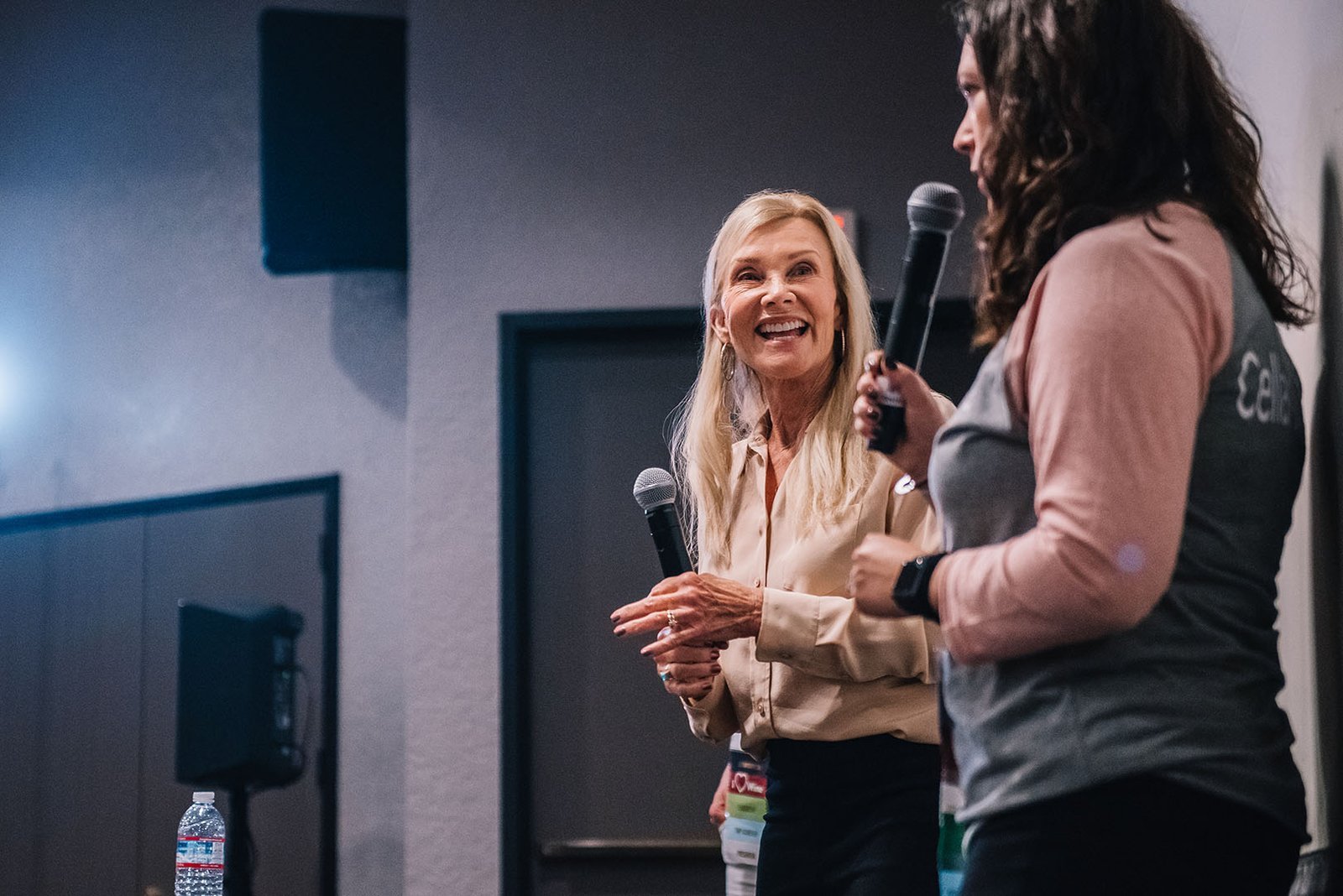
Executive coverage benefits from a stable record of the presentation plus supporting angles that add context. The room, lectern, confidence monitors and projected material should be reviewed before filming.
For internal programs, the priority may be clarity and completeness. For external communication, the edit may place more emphasis on concise statements, visual context and brand consistency.
Speaker titles, pronunciation, presentation order and any restricted material should be supplied in a final event brief for accurate labeling and review.
04 / PLANNING DETAIL
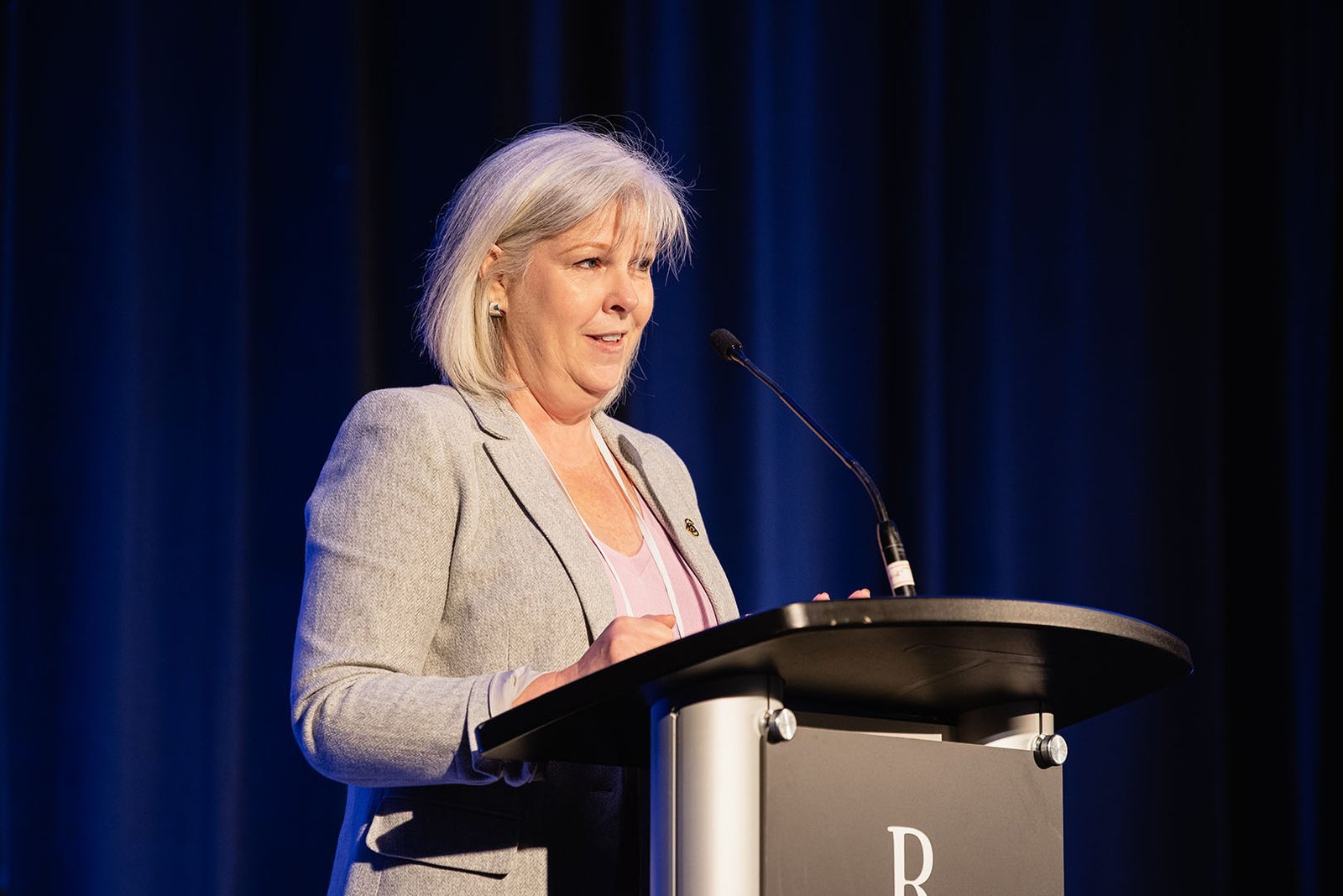
A launch can require both live-event coverage and controlled detail of the product or demonstration. The plan should separate moments that happen once from details that can be scheduled in a quieter window.
Presentation audio, screen content, close detail and attendee interaction should be mapped to the final delivery channels before the event begins.
If screens or product interfaces are important, the team should decide whether they will be filmed in the room, supplied as source files or combined during editing.
05 / PLANNING DETAIL
Interviews can add a direct explanation of the event or announcement. A reserved location, realistic schedule and microphone plan help prevent the surrounding program from making the recording unusable.
A corporate recap should follow the communication brief rather than simply collecting attractive moments. The selected statements and supporting footage need to reinforce the approved message.
Interview participants should know the topic, available time and intended audience, while the organization retains control of consent and publication approval.
06 / PLANNING DETAIL
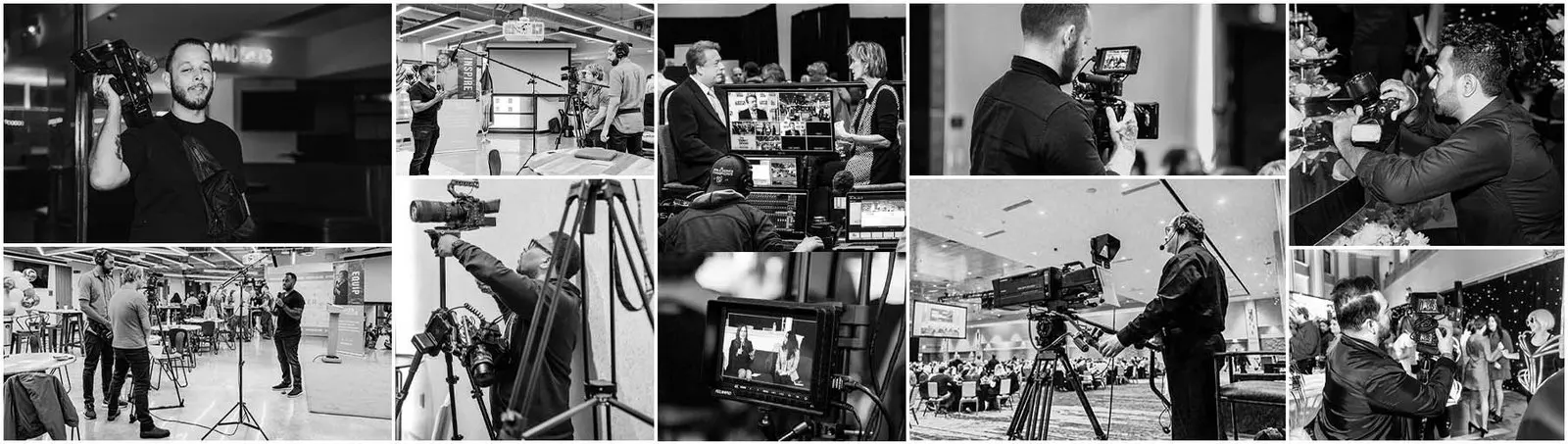
Pre-production confirms the event goal, decision makers, schedule, venue requirements and deliverables. On-site work follows the approved priorities while protecting the live experience.
Post-production uses the supplied brand assets and sends drafts through the agreed review chain. Deadlines and expedited needs must be included in the scope.
The project closeout should state which source files, masters and alternate versions are included so there is no ambiguity after approval.

KEEP EXPLORING
Event planning guide
The decisions a corporate event team should confirm before cameras arrive: audience, approvals, speakers, schedule and deliverables.
Open materialEvent planning guide
How to scope full-session recordings, recap films and social clips around the real event schedule and review process.
Open materialEvent planning guide
A practical division of responsibilities between venue AV, streaming and recording crews for hybrid Washington DC events.
Open material